How Drainage Works in Caraguatatuba Homes, From Trap to Street
Every drain in a Caraguatatuba home begins with a small, unassuming component: the trap under the sink. This curved section of pipe holds a plug of water that seals the drain from the sewer gas below. If that water seal fails—because the trap dries out, clogs, or is improperly installed—everything downstream is compromised. Understanding this chain, from the fixture to the municipal connection, is the first step toward making informed decisions when a blockage appears. For residents and property managers dealing with persistent clogs, professional help such as a desentupidora São Sebastião SP can trace the problem to its source rather than just poking at the symptom.
The anatomy of a household drain: from fixture to stack
Inside a typical Caraguatatuba house, wastewater follows a predictable path. It starts at a fixture—a sink, shower, toilet, or washing machine—and enters a branch pipe that slopes gently downward. That branch connects to a larger vertical pipe called the soil stack, which carries waste to the building drain. Each fixture has its own trap, and each trap must be vented to allow air to enter behind the flowing water. Without proper venting, the water seal can be siphoned out, letting odors and gases rise into the home.
The trap itself is more than a simple bend. A water seal of about two inches is what blocks sewer gas. In many older Caraguatatuba homes, traps are made of PVC or cast iron, and their shape—P-trap, S-trap, or bottle trap—varies by fixture and era. A common mistake is to ignore a slow-draining sink for months; by the time water backs up, the clog has moved from the trap into the branch line, requiring a different approach.
Why the trap is the first line of defense
The trap catches debris that would otherwise enter the main drainage system. Hair, soap scum, food particles, and even small objects settle in the low point of the trap and can be removed with a plunger or auger. But the trap also creates a moist environment where biofilm can grow, gradually narrowing the pipe. Regular cleaning of the trap—or using a strainer to catch solids—prevents many blockages from ever reaching the stack.
How venting keeps the system breathing
Every drain needs air behind it. A vent pipe runs from the stack through the roof, equalizing pressure as water flows. If a vent is clogged by leaves, bird nests, or debris, drains gurgle and empty slowly. In some Caraguatatuba properties, especially those with recent renovations, vents may be incorrectly connected or missing entirely. This is not a problem a plunger can fix; it requires a camera inspection or smoke test to identify the fault.
The building drain and the municipal connection
Below the lowest fixture, the building drain collects all wastewater and carries it horizontally to the property line. At that point, it connects to the public sewer lateral. In Caraguatatuba, the municipal system is managed by the local water utility, and the property owner is responsible for the lateral up to the connection point. A blockage in the building drain often affects multiple fixtures at once—for example, a toilet that gurgles when the shower runs, or water backing up in the floor drain when the washing machine empties.
The slope of the building drain matters. Too flat, and solids settle; too steep, and water races ahead, leaving waste behind. Older homes sometimes have inadequate slope or sagging pipes due to soil movement. A professional desentupidora São Sebastião can use a camera to check the grade and identify bellies or breaks that cause repeat clogs. Ignoring these structural issues leads to frequent emergency calls and, eventually, excavation.
Signs that the problem is beyond the trap
When a single fixture drains slowly, the clog is likely in its trap or branch. When multiple fixtures back up, or when sewage appears in floor drains, the blockage is in the building drain or the municipal lateral. Another sign is a gurgling sound from other drains after flushing a toilet—this indicates a venting or main-line issue. At that stage, DIY methods like chemical drain cleaners can damage pipes and are best avoided.
Common causes of blockages in Caraguatatuba’s coastal environment
Caraguatatuba’s humid, coastal climate and older infrastructure create specific challenges. Tree roots are a major culprit: they seek moisture and can infiltrate cracks in clay or concrete pipes, forming dense mats that trap solids. Grease and soap scum accumulate in kitchen lines, especially in homes with older cast-iron pipes that have rough interiors. In neighborhoods with combined storm and sanitary sewers, heavy rainfall can overload the system, causing backups that are not the property owner’s fault but still require immediate attention.
Another local factor is the age of many buildings. Properties from the 1980s and 1990s often have original piping that has never been inspected. A video camera inspection is the only way to know whether a pipe is cracked, offset, or root-infested. Without it, repeated augering is just a temporary fix. For commercial establishments like restaurants and pousadas, grease traps and regular hydrojetting are essential to prevent costly shutdowns during peak season.
Preventive maintenance that actually works
Prevention starts with what goes down the drain. Avoid pouring grease or oil into kitchen sinks; wipe pans with a paper towel first. Use strainers in showers and sinks to catch hair and debris. Once a year, have a professional inspect the main line with a camera, especially if the property is more than 20 years old. For homes with septic systems, regular pumping is necessary—but that is a separate topic from municipal sewer connections.
What happens when you call a professional desentupidora
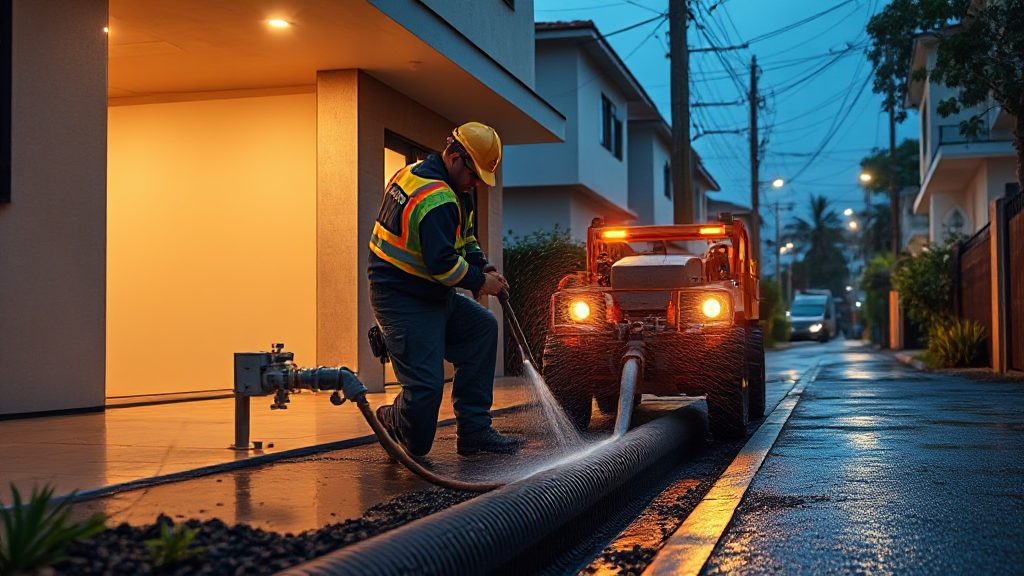
When a blockage resists plunging, a professional team brings specialized equipment. The first step is usually a manual auger or a drain snake to clear the immediate trap and branch. If that fails, a motorized auger with a cutting head can break through roots and heavy grease. For larger lines, hydrojetting uses high-pressure water to scour the pipe walls, removing biofilm and sediment. In Caraguatatuba, where many properties are close to the water table, hydrojetting is preferred over chemical cleaners because it does not introduce toxins into the environment.
The choice of method depends on the pipe material and the nature of the clog. A desentupidora em São Sebastião SP will often start with a camera inspection to locate the obstruction precisely, then select the least invasive tool. This approach saves time and prevents damage to older pipes. For emergency situations—like sewage backing up into a home—the priority is to stop the flow and restore service quickly, then schedule a follow-up inspection to address the root cause.
Tools of the trade: augers, jetters, and cameras
Each tool has a specific role. Hand augers are for small traps; motorized augers handle branch lines up to 100 feet; hydrojetters clean pipes from 1.5 to 12 inches in diameter. Cameras verify the result and document the pipe’s condition for the property owner. A reputable company will explain which tool is being used and why, and will provide a report if a camera is employed.
Costs and trade-offs: DIY vs. professional service
A plunger costs almost nothing, and a hand auger is affordable. But when a clog recurs within weeks, the DIY approach becomes a false economy. Chemical drain cleaners are cheap but corrosive; they can damage PVC joints and are dangerous for septic systems. Professional desentupimento in Caraguatatuba typically costs between R$150 and R$400 for a simple unclogging, while hydrojetting or camera inspections cost more. The trade-off is between a quick fix and a lasting solution. For property managers, a service contract with scheduled maintenance often pays for itself by preventing emergency calls during high season.
Another consideration is liability. If a DIY attempt damages a pipe, the repair cost can far exceed a professional service. Insurance may not cover improper repairs. A licensed technician carries the right equipment and knows local building codes, which is especially important in condominiums where shared lines require coordination.
When the problem is the municipal system, not your pipes
Sometimes the blockage is in the public sewer, not on private property. Signs include multiple neighbors experiencing backups at the same time, or sewage bubbling up from street manholes. In these cases, the utility company is responsible for clearing the main. However, the property owner still needs to protect the home—installing a backwater valve can prevent sewage from entering during heavy rain. A professional can advise on whether a backwater valve is suitable for the property’s plumbing configuration.
In Caraguatatuba, the municipal utility responds to reports of street-level backups, but response times vary. Meanwhile, a desentupidora can clear the private lateral and document the issue for the utility. This division of responsibility is often misunderstood, leading to frustration. Knowing where the private system ends and the public one begins is key to a quick resolution.
Preventing future backups: a checklist for homeowners
Regular maintenance is simpler than emergency repairs. Here is a practical checklist for Caraguatatuba residents:
- Install strainers in all sinks and showers.
- Never pour grease or oil down the drain; collect it in a container and dispose of it in the trash.
- Run hot water down kitchen drains weekly to keep grease moving.
- Have a professional inspect the main line every two years, or annually for older homes.
- Keep a plumbing diagram of your property, noting the location of cleanouts and the main line.
- If you have a septic system, pump it every three to five years according to local regulations.
These steps reduce the likelihood of a blockage reaching the building drain and municipal connection. They also make any professional visit faster and less expensive, because the technician can focus on the actual problem rather than searching for cleanouts.
Conclusion: understanding the system empowers better decisions
From the trap under the sink to the municipal sewer, every component in a Caraguatatuba home’s drainage system plays a role. When a clog occurs, knowing whether it is local or systemic helps you choose the right response. A slow drain that smells is different from sewage backing up into multiple fixtures. By understanding the anatomy and the common failure points, you can avoid unnecessary chemical treatments and know when to call a professional. For persistent or recurring issues, a qualified desentupidora can provide camera inspection, hydrojetting, and preventive maintenance tailored to the property’s age and pipe material. The goal is not just to clear the current blockage but to keep the entire system—from trap to street—functioning as designed.